
Ask most people whether they are a good listener and they will say yes. The research says otherwise. In emotionally charged conversations, the kind that make up most relationship conflict, people retain only a fraction of what they hear, because they spend the other person’s speaking time preparing their reply rather than taking in what is being said.
This is the quiet reason so many arguments go nowhere. Both people are talking, but neither is actually being heard. Active listening skills are what break that pattern in relationships, and they are far more learnable than most people assume.
What Active Listening Actually Is
Active listening is not simply staying quiet while the other person talks. Staying quiet while you rehearse your rebuttal is still not listening. Active listening means giving your full attention to understanding the other person’s meaning, reflecting it back to check you have it right, and holding your own response until you genuinely understand theirs.
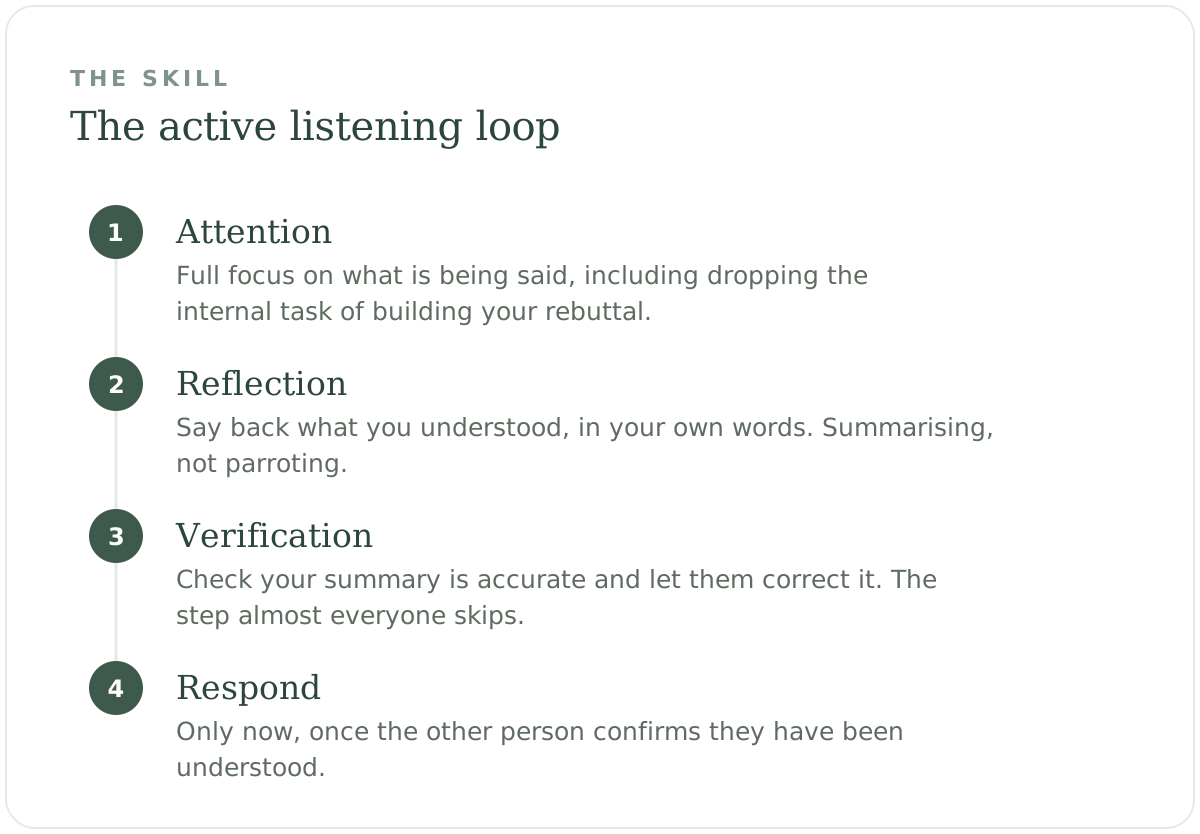
It has three observable parts:
Attention. You stop doing anything else, including the internal task of building your counter-argument, and focus entirely on what the other person is saying and feeling.
Reflection. You say back, in your own words, what you understood. Not parroting, but summarising: “So what you are saying is that when I cancel plans last minute, it feels like you are not a priority.”
Verification. You check whether your summary is accurate before you respond, and you let the other person correct it.
That third step is the one almost everyone skips, and it is the one that does most of the work.
Why It Matters More Than Any Other Conflict Skill
Every other conflict resolution technique depends on this one. You cannot address the real issue if you have misunderstood it. You cannot de-escalate someone who does not feel heard. You cannot reach an agreement that holds if it was built on a version of the problem only one person recognises.
Research from the American Psychological Association on emotion regulation points to a useful mechanism here. When a person feels genuinely understood, the intensity of their emotional state tends to drop. Being heard is itself de-escalating. This is why a good listener can often calm a heated conversation without conceding a single point, simply by demonstrating that they have understood the other person’s position.
The Gottman Institute, which has studied couples for more than four decades, frames the same idea differently. Feeling known and understood by a partner is one of the strongest foundations of a stable relationship. Listening well is how that understanding gets built, one conversation at a time.
The Barriers That Stop Us Listening
If listening is so powerful, why is it so rare? A few predictable obstacles get in the way.
The rebuttal reflex. In a disagreement, the mind races ahead to the counter-argument. The moment you start building your reply, you stop absorbing what is being said.
Fixing instead of hearing. Many people respond to a problem by jumping straight to solutions. Often the other person does not want a solution yet. They want to be understood first.
Emotional flooding. When a conversation gets intense enough, the nervous system shifts into a defensive state and genuine listening becomes physiologically difficult. At that point, no technique works well, which is why taking a short break can be the most useful listening skill of all.
Assumed understanding. With people we know well, we often assume we already know what they mean. That assumption is frequently wrong, and it closes down the very curiosity that listening requires.
How to Practise Active Listening
Active listening in conflict resolution is a skill like any other, which means it responds to deliberate practice. A few exercises build it quickly.
-
Restate before you respond. For one week, make a rule that in any disagreement you will summarise the other person’s point and get their confirmation before you say anything about your own view. This single habit rewires most conversations.
-
Ask one more question. Before offering your opinion, ask a genuine follow-up question: “Can you say more about that?” or “What part of this matters most to you?” It signals interest and usually surfaces the real issue.
-
Name the feeling, not just the fact. Reflect the emotion as well as the content: “It sounds like that left you feeling dismissed.” Naming the emotion helps the other person feel understood and, per the research on affect labelling, helps regulate the feeling itself. Reading emotion accurately, in yourself and in the other person, is the heart of emotional intelligence in relationships.
-
Notice the urge to interrupt, and let it pass. The impulse to jump in is information that you have stopped listening. Treat it as a cue to refocus rather than a signal to speak.
Listening When You Disagree
The hardest listening happens when you think the other person is wrong. It helps to separate two things that usually get merged: understanding a position and agreeing with it. You can fully understand why someone feels the way they do without conceding that they are correct. In fact, understanding their position clearly is what lets you respond to the real objection rather than a straw version of it.
Listening well when you disagree is not a concession. It is a strategic advantage. People are far more willing to consider your perspective once they are satisfied that you have genuinely considered theirs.
Where FairTalk Fits In
Active listening is simple to understand and hard to do in the moment, especially when emotions are running high. FairTalk’s sessions build the structure in for you. Both people talk the issue through in one conversation while the AI listens impartially, and the analysis that follows reflects each person’s view back accurately: what you each said, what you each meant, and what you each need.
The effect is that both people come away feeling genuinely heard rather than talked over, which is usually the missing ingredient in a stuck argument. For the wider set of techniques this skill supports, see how to stop fighting with your partner, and for the broader toolkit it sits within, see our guide to improving communication skills.
Frequently Asked Questions
Isn’t active listening just staying quiet?
No. Staying quiet while you plan your response is not listening. Active listening means focusing on understanding, reflecting back what you heard, and confirming it is accurate before you respond. The reflecting and confirming steps are what make it active.
How long does it take to get better at listening?
Most people notice a difference within a week or two of deliberately restating the other person’s point before responding. Like any skill, it feels awkward at first and becomes more natural with practice. The awkward stage is normal and passes.
What if the other person still won’t listen back?
You cannot control whether the other person listens, but you can change the dynamic by listening well yourself. When one person genuinely listens, the conversation often becomes less defensive, which makes the other person more likely to reciprocate. Start with your own listening rather than waiting for theirs.
Does active listening mean I have to agree?
No. Understanding someone’s position and agreeing with it are different things. You can listen closely, reflect their view accurately, and still hold a different opinion. Understanding the other side clearly usually makes your own response more persuasive, not less.